As we approach the colder months and the Holiday season, it is important to remember some dangers pets face during this time of year.
Antifreeze

Most antifreeze contains ethylene glycol as an active ingredient which is toxic to animals. Antifreeze has a sweet taste. Because of this, dogs and cats will drink it. Antifreeze can be lethal, causing permanent, fatal kidney damage. Keep pets away from any spilled antifreeze or containers of antifreeze. Even antifreeze that has been diluted in the car's radiator can have enough toxic ethylene glycol to be fatal to your pet. If you suspect your pet has ingested antifreeze, call your veterinarian immediately.
Dietary Indiscretion and Pancreatitis

We all like to include our pets in Holiday meals along with the rest of the family. However, keep in mind that sudden, rich, high fat diet changes are likely to upset your pet's stomach. In general, any food your pet is not accustomed to eating has the potential to trigger intestinal upset. Foods too rich, too fatty or too spicy can all be the culprit. For some animals, the snack you sneak can trigger a serious, life-threatening illness called pancreatitis or inflammation of the pancreas.
No Bone about this One
Even the largest and heartiest of bones can splinter and irritate the intestinal lining of your favorite pet. While most of us know that poultry bones are unsafe, knuckle bones do tend to stand to vigorous gnawing. Regardless, always, always, always supervise your dog's chewing!!
And, for those pooches who prefer to eat bones rather than just chew on them.....you guessed it.....your safest bet is to avoid bones all together!
Chocolate
 With leftover Halloween candy and Thanksgiving and Christmas around the corner, many of us have more chocolate around the house than at other times. The first problem with chocolate is the fat. Remember, in the case of pancreatitis, it is the fat that causes the problem. This can lead to severe vomiting, diarrhea, dehydration and abdominal pain. In the case of chocolate toxicity, theobromine is the toxic ingredient. Theobromine can cause vomiting, diarrhea, hyperactivity, tremors, seizures and cardiac arrythmias which can be fatal. Clinical signs usually occur within 6 to 12 hours of ingestion. The more chocolate liquor there is in a prodcut, the more theobromine is present. This makes baking chocolate the worst for your pet, followed by semisweet and dark chocolate, followed by milk chocolate, followed by chocolate flavored cakes and cookies. The effects of chocolate are proportional to the amount of chocolate ingested versus your pet's body weight. Remember, it takes nearly 4 days for the chocolate to work its way out of a dog's system. If the chocolate was just eaten, call your veterinarian immediately. If is possible to induce vomiting to rid the stomach of the toxic effects of chocolate.
O Christmas Tree
 The Christmas tree is full of dangers for both dogs and cats. Tinsel, along with yarn, ribbon or string is certainly an appealing play toy for any pet. When ingested, it can twist and tie up the intestines. Ornaments, too, are extremely dangerous in the mouths and stomachs of pets. The water at the base of the Christmas tree can contain secretions of fertilizer and nasty bacteria that can cause serious health problems for our pets.
  Light strings and electrical cords are dangerous when chewed. So, use common sense when you are decorating and make sure your pet is supervised when around these items.
One of the most important parts of winter and Holiday preventative care is knowing what to do in an event of an actual emergency. Be sure and have on hand the after-hours or emergency number for your veterinarian. Also, the ASPCA (Animal Poison Control Center has a hotline: 866-426-4435 for questions and concerns about toxins or poisons your pet many ingest.


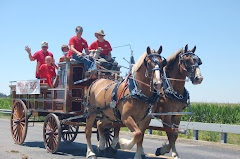
 The Percheron horse originated from France in the province of Le Perche, located about 50 miles southwest of Paris. Traditionally, the Percheron breed was a breed of greys. Used as a war horse, the French Knight is almost always seen on a grey or white horse. When the day of the war horse was over, Percherons were used to pull heavy stage coaches in France. These horses could trot 7-10 miles per hour with the endurance to perform day in and day out. The light colored greys and whites were easily seen at night and thus preferred. When the railroad replaced the stage coaches and horses began to replace oxen in agriculture, the need for a heavier draft horse grew. The breeders of Le Perche complied. From war horse to light draft coach to heavy draft, the Percheron breed was developed.

 Just as other European draft horses, the Percheron breed was heavily imported into the US in the 1870s and 80s. The current Percheron Horse Association of America was formed in 1905. The number of registrations grew until the 1940s and WWII. The low point in Percheron registrations came in 1954 when just 85 head were recorded. Just like the Belgian breed, a handful of breeders persisted and Americans rediscoverd the usefulness of the draft horse. Since then, the Percheron breed has seen a resurgence in its numbers and value.
 The Clydesdale breed originated from Scotland in the district of Lanarkshire. As with the other European draft breeds, these horses were originally developed for use in warfare to carry knights into battle. A heavier breed was needed to carry armor-clad warriors to war. When the need for war horses declined, the Clydesdale horse was bred not only for agriculture but for heavy haulage in the coalfields of Lanarkshire. The Clydesdale breed flourished in the late 19th century leading to large numbers of exports into Australia, New Zealand, Canada and the United States. Today, the Clydesdale is virtually the only draft breed in its native Scotland.
  The picture above is "Samurai" owned by Dr. Linda-first place gelding and 1st place American Bred Gelding at the National Clydesdale show.
  A clydesdale halter class.


 Dr. Linda breeds and shows Clydesdales and Dr. Scott and his brother, Gary (my husband) have bred and shown Clydesdales, Percherons and Belgians.
  The Arthur Veterinary Clinic has a large client base of draft horse owners.


 Dogs with Sarcoptic mites may have raised papules on their skin which develop into thick crusts. Secondary bacterial and yeast infections may result leading to chronic, generalized disease with severe skin thickening if left untreated.